Securing professional pest control services in Las Vegas stops structural degradation and arrests hazardous desert vector populations before they infiltrate finished interiors. Desert conditions across the Mojave Basin require chemical barriers engineered to withstand extreme ultraviolet degradation and radiant surface temperatures that routinely exceed 140 degrees Fahrenheit.
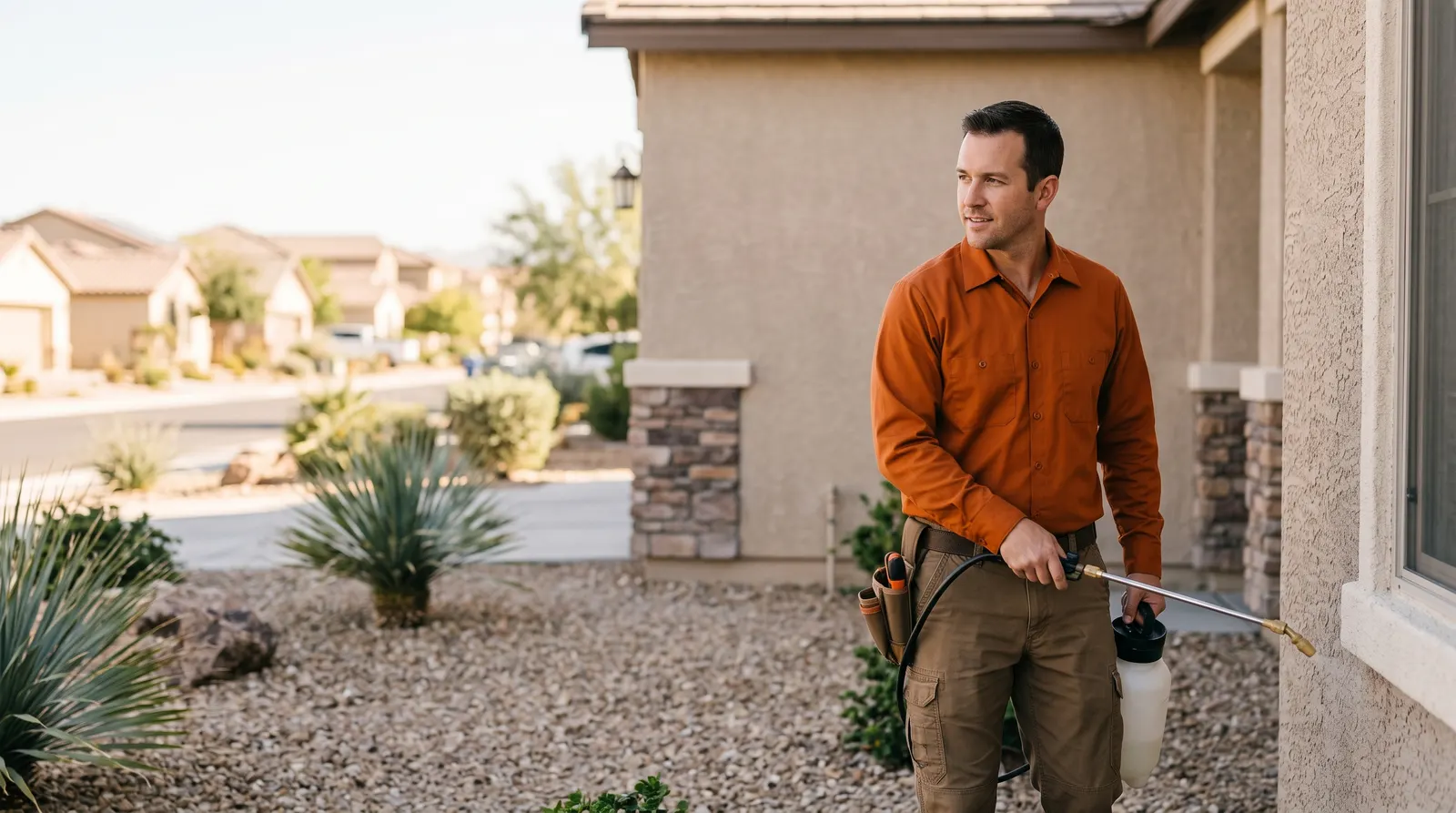
A professional pest control services company in Las Vegas is a licensed vector management operation that deploys high-heat residual formulations and physical structural exclusions to neutralize desert scorpions, subterranean termites, and synanthropic pests across residential and commercial properties.
Every service reflects the same meticulous attention to detail, whether it's a single job or a larger pest control services project across Las Vegas.
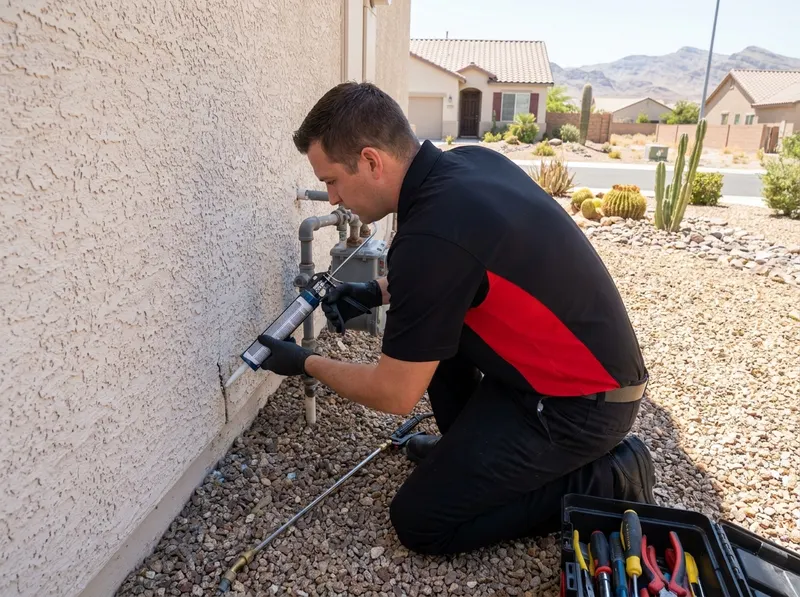
Scorpion control requires specialized microencapsulated pyrethroid barriers that adhere to rough stucco, decorative masonry, and decorative river rock beds. Because scorpions hunt arachnids and small insects at night, technicians conduct blacklight UV visual mapping to locate harborage points within perimeter cinder-block fences. The protocol seals low-level entry gaps larger than one-sixteenth of an inch along weep screeds and utility conduits to physically prevent indoor transit across high-risk exterior structural zones. Technicians systematically inject inert dust formulations into the hollow interior cores of cinder-block perimeter boundary walls to eliminate subterranean nesting zones where colonies shelter from daylight desert heat. Ongoing maintenance applications establish a wide three-foot vertical and six-foot horizontal exterior foundation barrier that disrupts scorpion central nervous systems on contact before specimens climb toward window sills, sliding patio tracks, or roofline eaves.
Get a quote →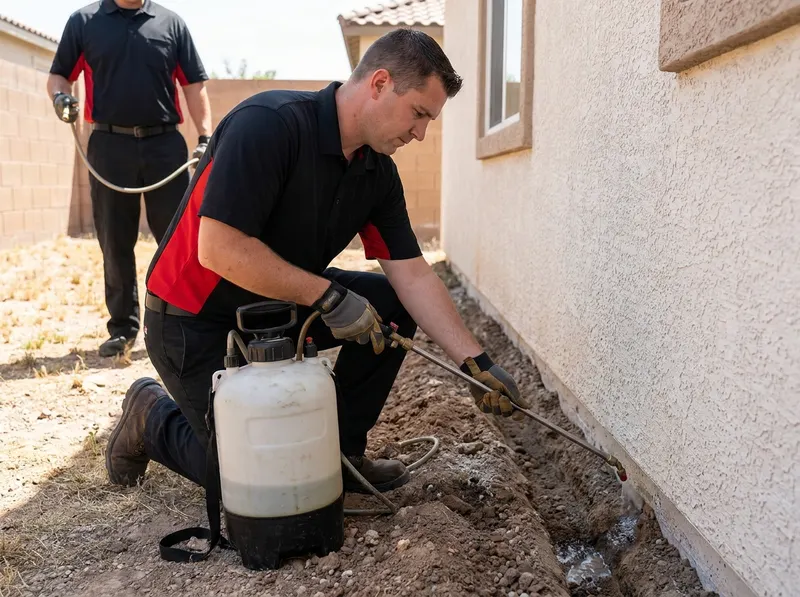
Native subterranean termites establish colonies deep within caliche soil layers and construct vertical mud tubes to breach foundation footings. Technicians excavate continuous trenches along the exterior foundation stem wall, dispensing non-repellent liquid termiticides that foraging workers unknowingly transport throughout the colony network. This targeted treatment neutralizes structural infestations without requiring destructive whole-home interior tenting procedures. Technicians employ high-pressure sub-slab injection rods to penetrate concrete garage pads, decorative patio slabs, and abutting expansion joints where termites exploit hidden hairline foundation cracks. The non-repellent chemistry binds molecularly with mineral-heavy desert sands, establishing a subterranean defense zone that remains active for upwards of five to ten years without off-gassing into interior residential living spaces.
Get a quote →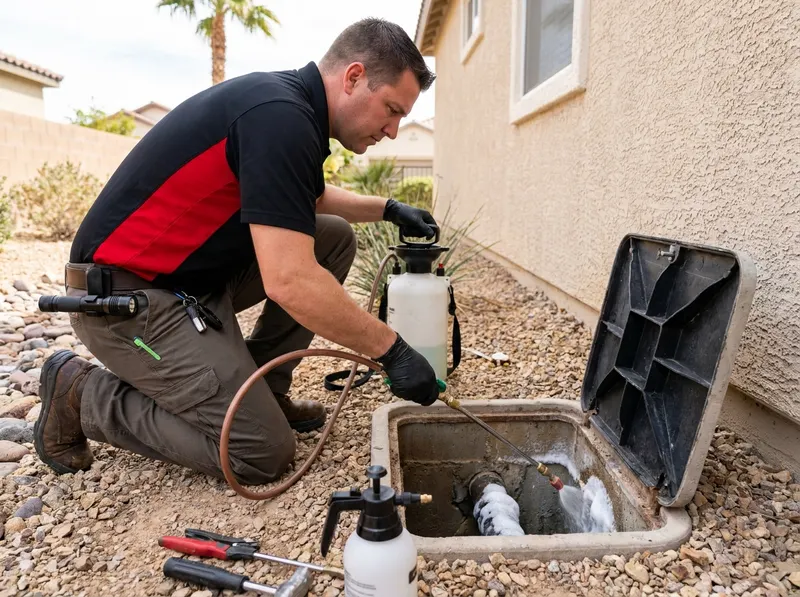
Desert cockroaches emerge from commercial municipal sewer systems and irrigation access vaults during triple-digit summer heat waves. Eradication combines insect growth regulators with moisture-resistant granular baits distributed across decorative landscape bark, exterior cleanout boxes, and perimeter drainage zones. This method halts reproduction cycles and eliminates nesting colonies before insects breach garage floor plates and sliding patio doors. Technicians treat exterior sanitary cleanout caps and subterranean water meter vaults with long-lasting insecticidal dusts that adhere to adult insect carapaces. In landscape environments featuring dense synthetic turf or desert rock ground cover, perimeter microencapsulated bands neutralize migrating adult roaches before they locate foundation expansion seams, weep screeds, or weather-worn door thresholds.
Get a quote →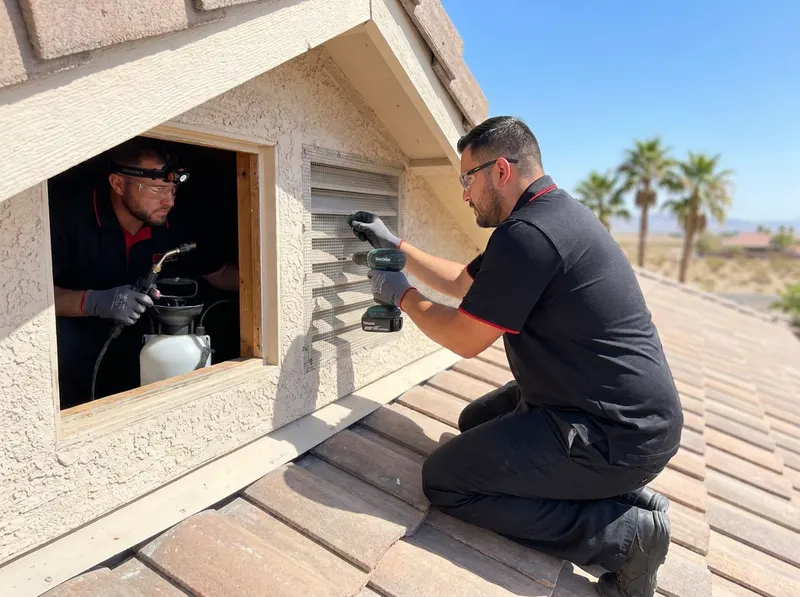
Roof rats utilize non-native desert palms, masonry walls, and overhead utility lines to gain access to ventilated attic spaces across residential communities. Control procedures center on heavy-gauge galvanized steel mesh installation across sub-roof dormers, ridge vents, and plumbing stacks to seal structural perimeters completely. Technicians place non-toxic tamper-resistant mechanical traps inside attic voids to eliminate indoor rodent populations without the risk of odors behind finished drywall. Technicians systematically vacuum contaminated cellulose insulation, sanitize structural roof trusses with EPA-registered hospital-grade antimicrobial disinfectants, and deploy enzymatic neutralizing mists to eliminate rodent pheromone runways. Exterior mitigation includes installing protective tree sheet metal collars, pruning overlapping desert palm fronds, and placing secured perimeter monitoring stations along concrete block wall boundaries to capture transient rodents before they regain exterior structural footholds.
Get a quote →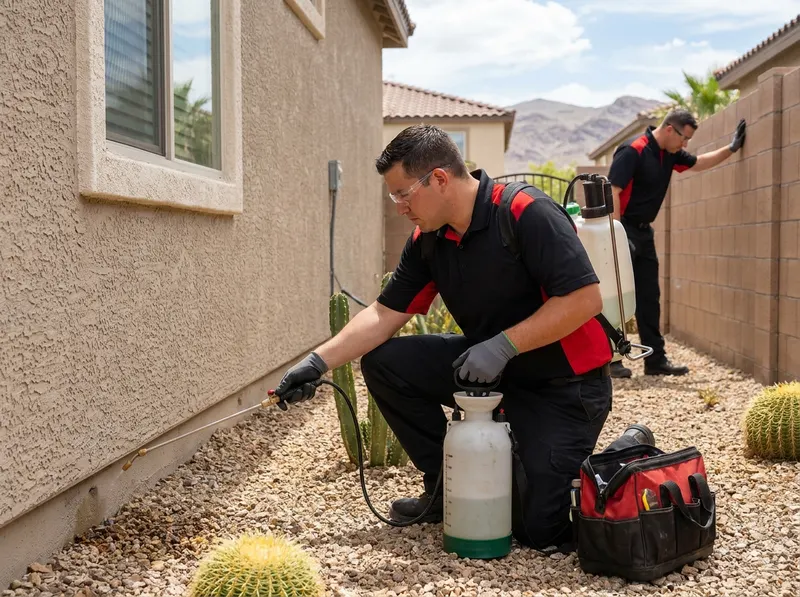
Venomous desert arachnids establish static webs in dark, sheltered exterior recesses such as meter boxes, pool equipment pads, patio furniture frames, and garage corners. Treatment involves mechanical web de-nesting followed by direct crack-and-crevice applications of wettable powder residuals. The formulation targets micro-crevices where spiders nest, maintaining effective contact knockdown capacity for months across dry exterior surfaces. Technicians inspect and treat high-risk transition zones including sub-floor foundation vents, electrical breaker boxes, exterior gas meter assemblies, and perimeter garden shed overhangs. Specialized dust formulations are carefully applied inside void cavities behind exterior lighting fixtures and structural brick veneers, neutralizing spiders that hide within non-accessible voids without leaving visible exterior residues or staining delicate architectural finishes.
Get a quote →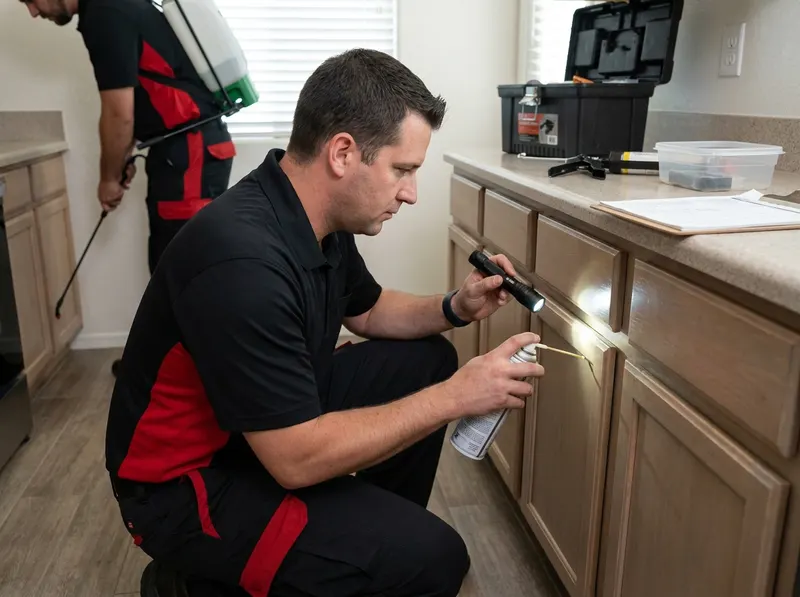
Interior German cockroach infestations establish harborages within the motor housings of kitchen appliances, under cabinet counter edges, and behind drywall voids. Eradication demands a multi-phase cleanout using targeted precision gel baits, high-efficiency vacuuming of active harborages, and synthetic insect growth regulator disks. This targeted process disrupts juvenile molting and destroys reproductive cycles without broad interior surface broadcasting. Specialists apply specialized matrix gel baits formulated with rotating non-repellent active ingredients to bypass insecticide behavioral aversion within dense cockroach populations. Technicians execute localized thermal-aerosol flushes inside wall voids adjacent to plumbing stacks and dishwasher enclosures, forcing hidden harborages into contact with residual growth regulators to guarantee rapid population collapse across multi-unit housing and residential culinary kitchens.
Get a quote →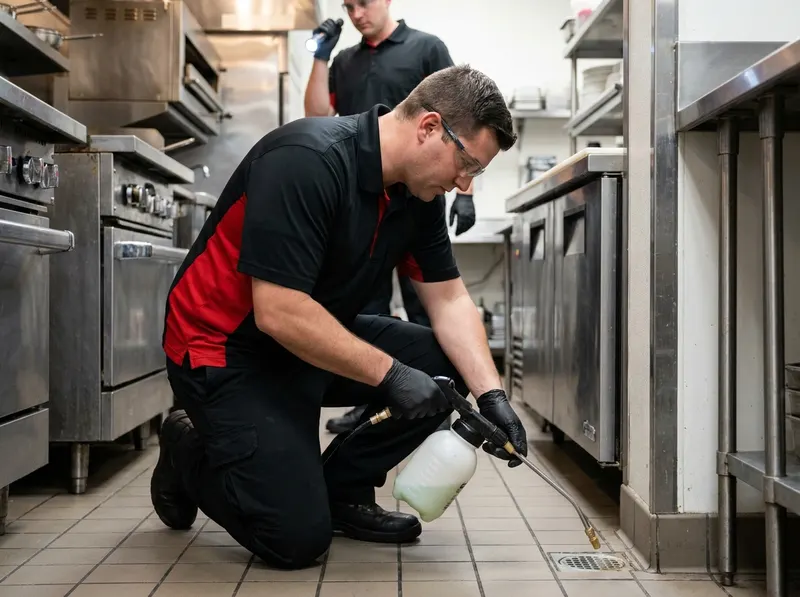
Commercial food prep facilities face specialized drain fly, fruit fly, and sewer roach pressure due to organic grease accumulation in commercial floor drains. Specialists deploy pressurized bio-enzymatic foam applications directly into drain traps to digest breeding biofilms. Exterior trash corrals and delivery docks receive residual insecticide applications to establish regulatory compliance and eliminate harborages adjacent to customer service areas. Field technicians install low-profile insect light traps equipped with UV-absorbing adhesive pads throughout dry storage rooms, dishwashing stations, and prep zones to intercept flying insect vectors in full compliance with Clark County Health District food safety standards. Monthly service agreements incorporate precision crack-and-crevice treatments around commercial prep tables, beverage line conduits, and rubber wall coving, eliminating hidden harborage corridors without contaminating active food contact surfaces.
Get a quote →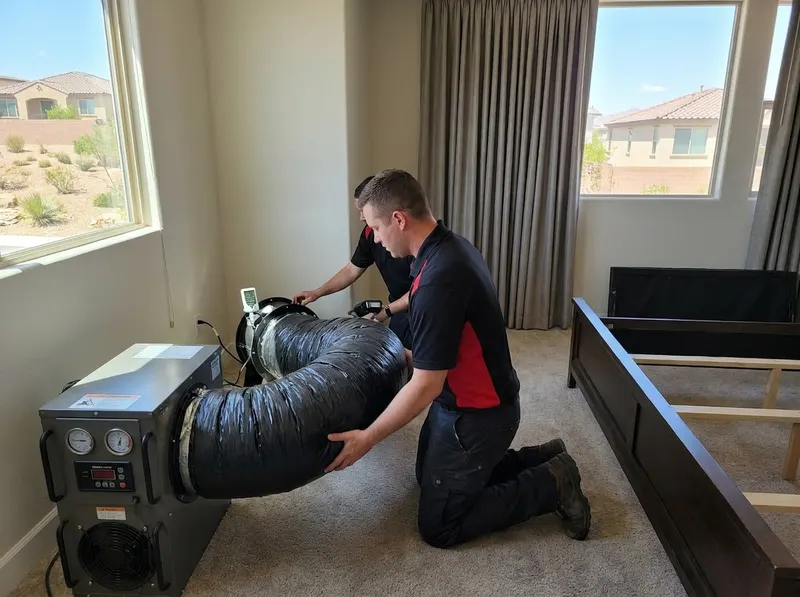
High-density hospitality environments create consistent vector transfer paths for bed bug populations across sleeping quarters. Remediation involves deploying industrial thermal heaters that elevate interior room temperatures to a sustained, monitored 125 degrees Fahrenheit. This thermodynamic process achieves 100% mortality across all life stages, including heat-resistant egg cases, inside wall cavities, upholstery fibers, and mattress seams without chemical residues. Industrial high-velocity circulation fans drive convective heat into hidden perimeter baseboard crevices, hollow bed frame structures, structural carpet tack strips, and deep electrical junction boxes. Thermal sensor arrays verify lethal temperatures across every square inch of the targeted perimeter, backed up by post-thermal residual dust applications inside electrical wall plates and structural baseboards to provide extended passive protection against accidental reintroduction.
Get a quote →You get a firm, itemized quote for your pest control services before any work begins, no surprises, no pressure.
Careful prep, tidy work, and a full cleanup when we are done. We treat your home and belongings like our own.
The same trusted, background-checked team from the first call to the final check.
Property owners evaluating vector management face a fundamental operational choice between generalized exterior surface sprays and integrated microencapsulated physical exclusions. If your objective is fast reduction of standard desert ants and occasional field crickets, a standard perimeter liquid application provides an adequate 30-day surface defensive band. If your residence experiences persistent bark scorpion emergence or indoor cockroach sightings, choose a microencapsulated exterior barrier combined with silicone-based physical exclusion sealing.
The operational trade-off is clear: standard surface sprays provide short-term suppression at lower initial service costs but degrade rapidly against 110-degree radiant stucco surfaces, whereas microencapsulated exclusion treatments carry a higher initial investment starting at $150 to $250 but create durable structural seals that remain lethal to multi-legged desert pests across 60 to 90 days. For active subterranean termite infestations, localized liquid spot applications address immediate structural wood-to-soil contacts, but a continuous non-repellent perimeter trenching system remains necessary to isolate the foundation completely from native subterranean colonies living deep within dense caliche strata. When addressing venomous desert arachnids like black widows and brown recluses, routine broadcast misting fails to penetrate dry masonry recesses; owners must combine targeted manual web de-nesting with wettable powder residual micro-injections into structural block voids and utility chase cavities.
For roof rat activity along barrel-tile rooflines, broadcast poison bait boxes create severe secondary toxicity hazards for domestic pets and cause interior carcass decomposition odors; the only permanent resolution requires structural exclusion utilizing sixteen-gauge galvanized steel mesh over attic dormers, ridge transitions, and AC line chases paired with internal mechanical snap trapping. Commercial kitchen operators managing high-turnover food service operations must choose between standard surface residual wiping and pressurized bio-enzymatic foam injection; surface sprays merely kill adult flies on walls without disrupting the organic breeding substrate inside floor drains, while pressurized bio-enzymatic foam digests organic grease layers down to bare metal pipes to eradicate phorid, fruit, and drain fly larvae permanently. Property owners selecting an extermination schedule must recognize that single one-off seasonal treatments provide only temporary reprieves; establishing an uninterrupted bi-monthly barrier schedule provides continuous boundary defense that neutralizes incoming vector waves as high Mojave temperatures fluctuate throughout the year.
Every project gets a firm, written price after a free on-site visit. Ranges below for orientation.
Tell us about your pest control services job and we'll send a clear, written quote, usually the same day. Or just call and talk to a real Las Vegas pro.
(725) 337-4232
Properties near Red Rock Canyon National Conservation Area and Floyd Lamb Park at Tule Springs encounter intense desert pest pressure as native fauna migrate into irrigated residential perimeters. Along transit corridors like Summerlin Parkway, West Charleston Boulevard near the College of Southern Nevada campus, and Interstate 95 through Centennial Hills, block retaining walls collect desert heat that accelerates bark scorpion breeding cycles. Furthermore, dense mature palms near historic districts around Lorenzi Park and Springs Preserve serve as structural highways for roof rats seeking desert attic shelter during cold desert winter nights. Residential communities constructed adjacent to natural washes and caliche outcroppings experience recurring vector incursions, particularly when sustained 115-degree summer temperatures drive burrowing pests toward irrigated perimeter sod, decorative drip lines, and cooled home foundations. High-density developments located along the 215 Beltway through Summerlin South and Mountain's Edge feature miles of interconnected decorative cinder-block fences, which function as vast, continuous subterranean highways for venomous arachnids and synanthropic roaches seeking moisture from domestic air-conditioning condensation lines. Modern architectural designs incorporating concrete weep screeds and zero-lot-line setback walls create structural access channels that require specialized mechanical physical sealing paired with heat-stable microencapsulated chemical barriers. Clark County municipal sewer infrastructure along major commercial thoroughfares like Sahara Avenue, Rainbow Boulevard, and Desert Inn Road experiences massive summer surges in American and Turkestan cockroach populations, which force vectors through municipal cleanouts, utility vault covers, and structural expansion joints into adjacent residential developments.
Free estimates for Las Vegas & the surrounding area.
 Vexlora Pest Pros